



58 Worst Rated Danish Foods

Last updated on October 17, 2026
01

Stegte sild (Fried pickled herring)

2.8 ·

Fried pickled herring is a Danish classic that is characterized by its tender texture and mild acidity. Herring fillets are dusted with breadcrumbs or flour, shortly fried until crispy, then submerged in a lightly sweetened brine that is often spiced and enriched with vegetables. Pickled herring is a Danish staple that is typically served as a topping on traditional open-faced smørrebrød sandwiches, but it is also commonly enjoyed as a starter or a part of the buffet-style meal service and holiday feasts.

02

Stegt lever

2.8 ·

Pan-fried calf’s liver is a traditional dish that can be prepared in a variety of ways. Usually, the liver is dusted with flour and shortly pan-fried until golden. It is often coupled with hefty amounts of caramelized onions and the lightly-thickened deglazed pan sauce. This hearty classic is best accompanied by boiled potatoes that perfectly complement sweet onions, creamy sauce, and earthy calf’s liver.

03

Millionbøf

2.9 ·

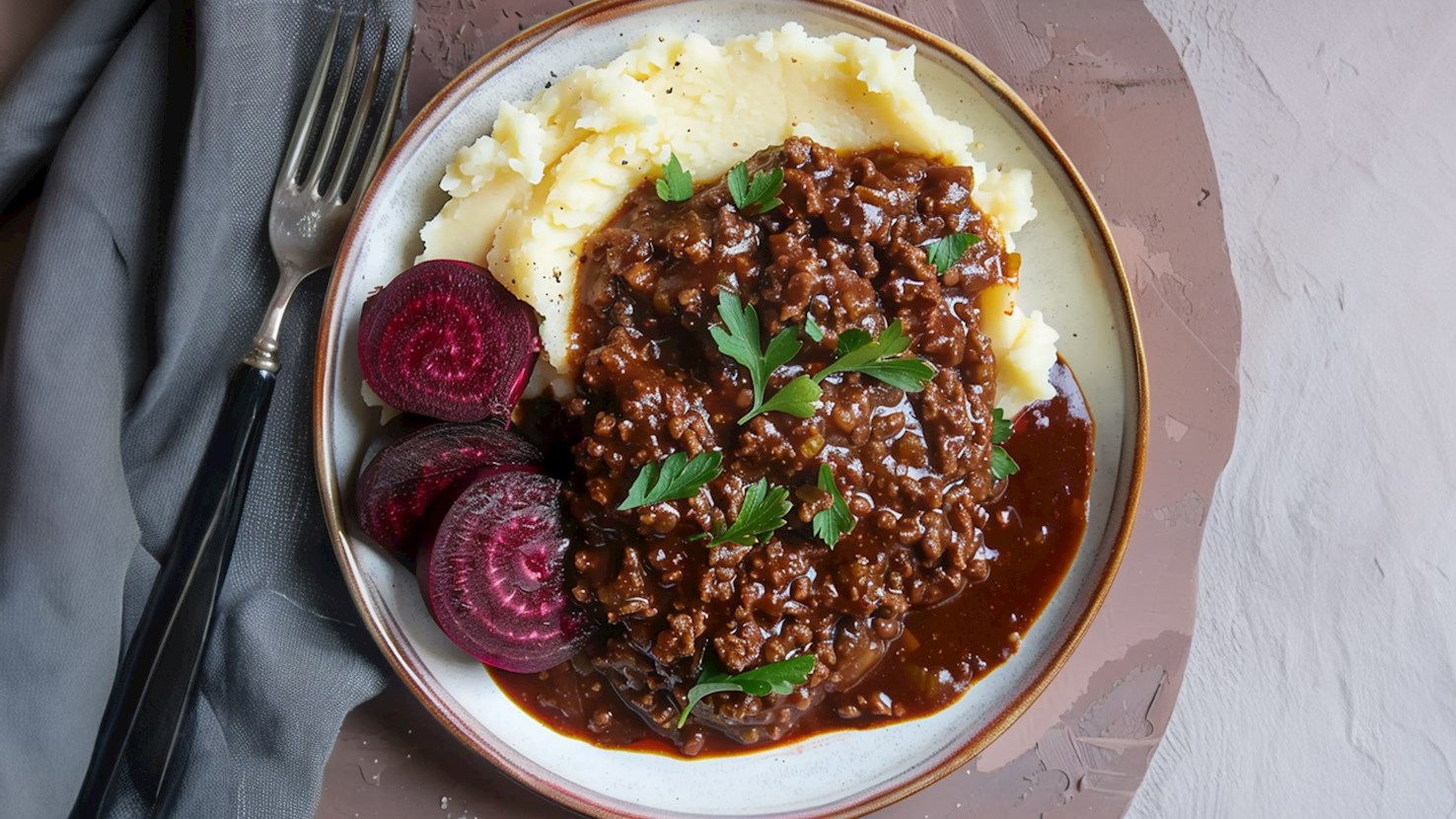
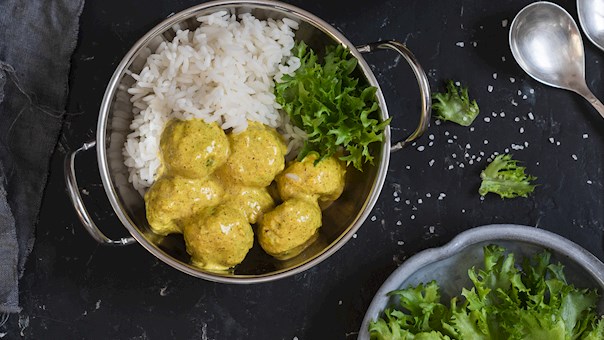
With an intriguing name translated as million steaks, this comforting Danish dish consists of ground beef that is stewed alongside onions and a variety of spices. The key is to break down the meat, as if it consists of a million tiny pieces, and to serve it with a rich, dark gravy. This classic Danish meal is usually accompanied by mashed or boiled potatoes and beets on the side.

04

Gule ærter (Danish split pea soup)

3.0 ·

Although it originated as a simple, rustic dish, this comforting pea soup has turned into a national classic over the years. It usually consists of green or yellow split peas which are cooked together with various vegetables and seasonings. The dish is often complemented with pork or smoked meat. Traditionally associated with wintertime, it is a staple restaurant dish, along with being a hearty and nutritious home-cooked meal.

05

Øllebrød (Danish rye bread porridge)

3.0 ·

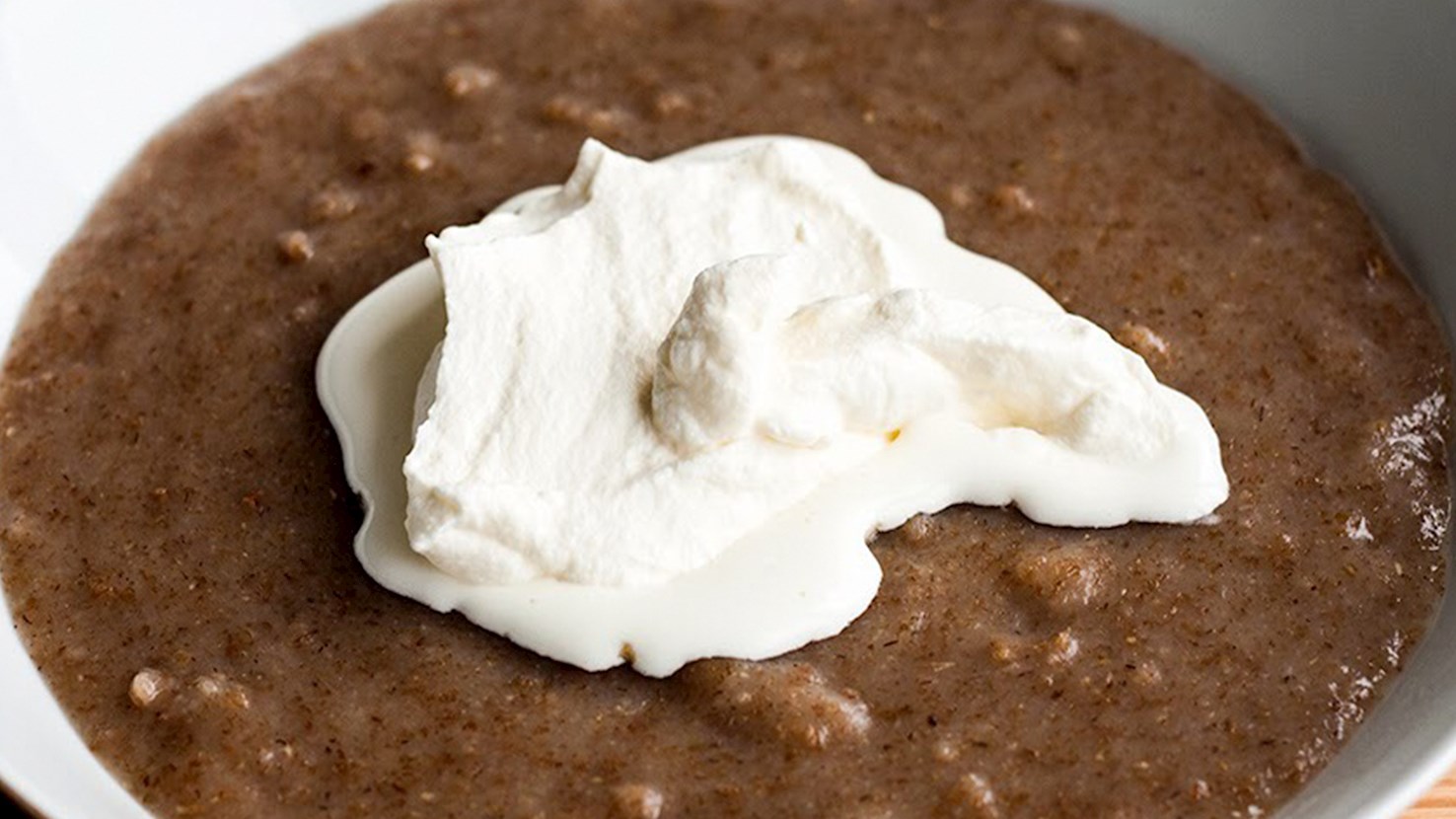
Øllebrød is a traditional rye bread porridge that is usually served as a sweet and nutritious breakfast. It consists of a mixture of stale rye bread soaked in water, milk, or traditional Danish beer, which is later cooked until it achieves a thick, homogenous texture. Originally, it was a humble and rustic dish, but many modern varieties incorporate various additions such as whipped cream, citrus zest, raisins, and nuts to create a more nutritious meal.

06

Hjerter i flødesovs (Hearts in cream sauce)

3.0 ·

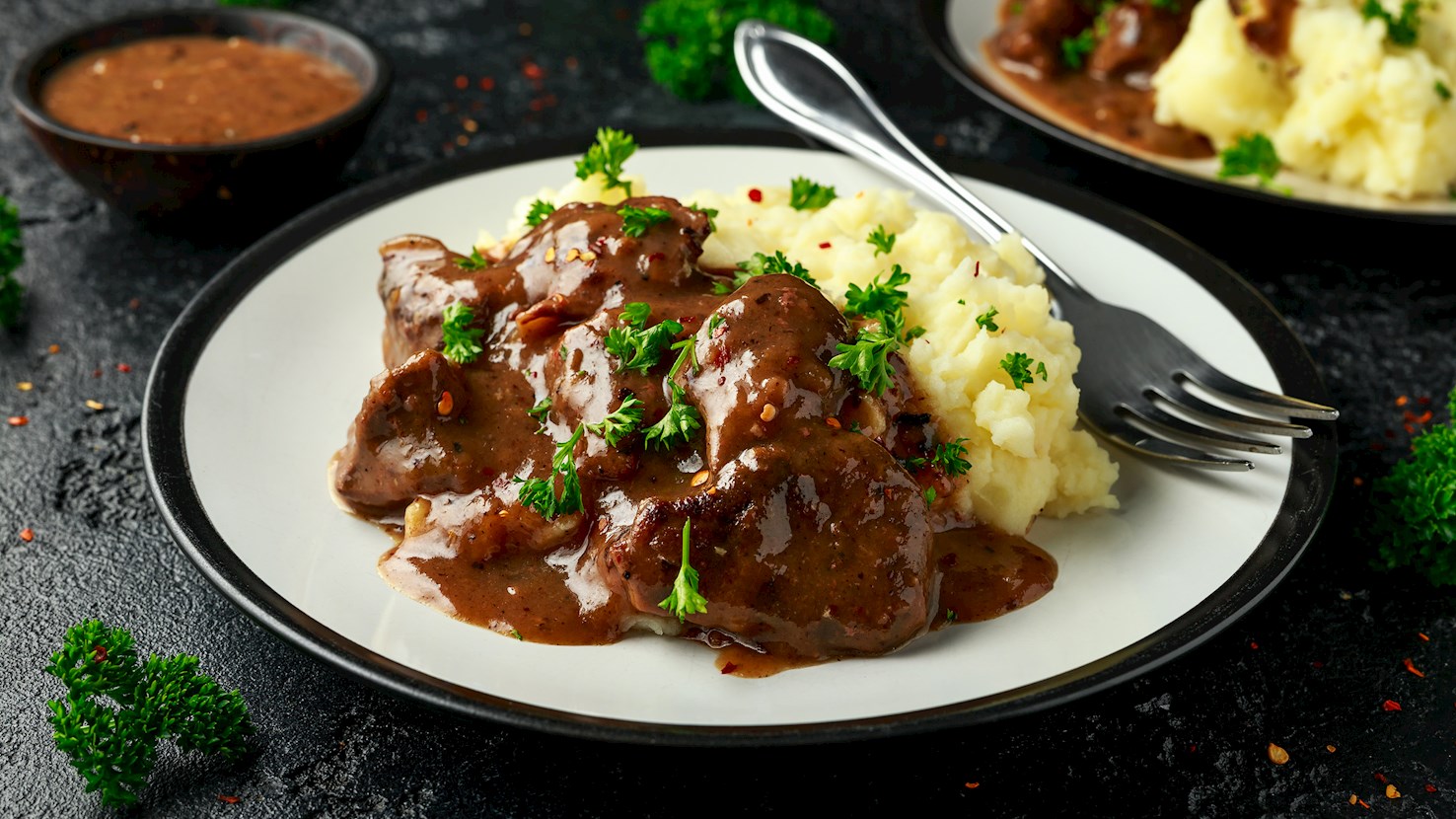
This Danish classic couples pig or beef hearts and a creamy, flavorful sauce. The hearts should be thoroughly cleaned and are usually sliced before they are shortly seared and then braised in a sauce that is enriched with sautéed onions, which provide the essential sweetness. The dark, rich sauce is often toned down with a splash of whipped cream, or it can additionally be thickened with a flour roux. Hjerter i flødesovs, translated as hearts and cream sauce, is typically accompanied by mashed potatoes.

07

Grønlangkål

3.0 ·

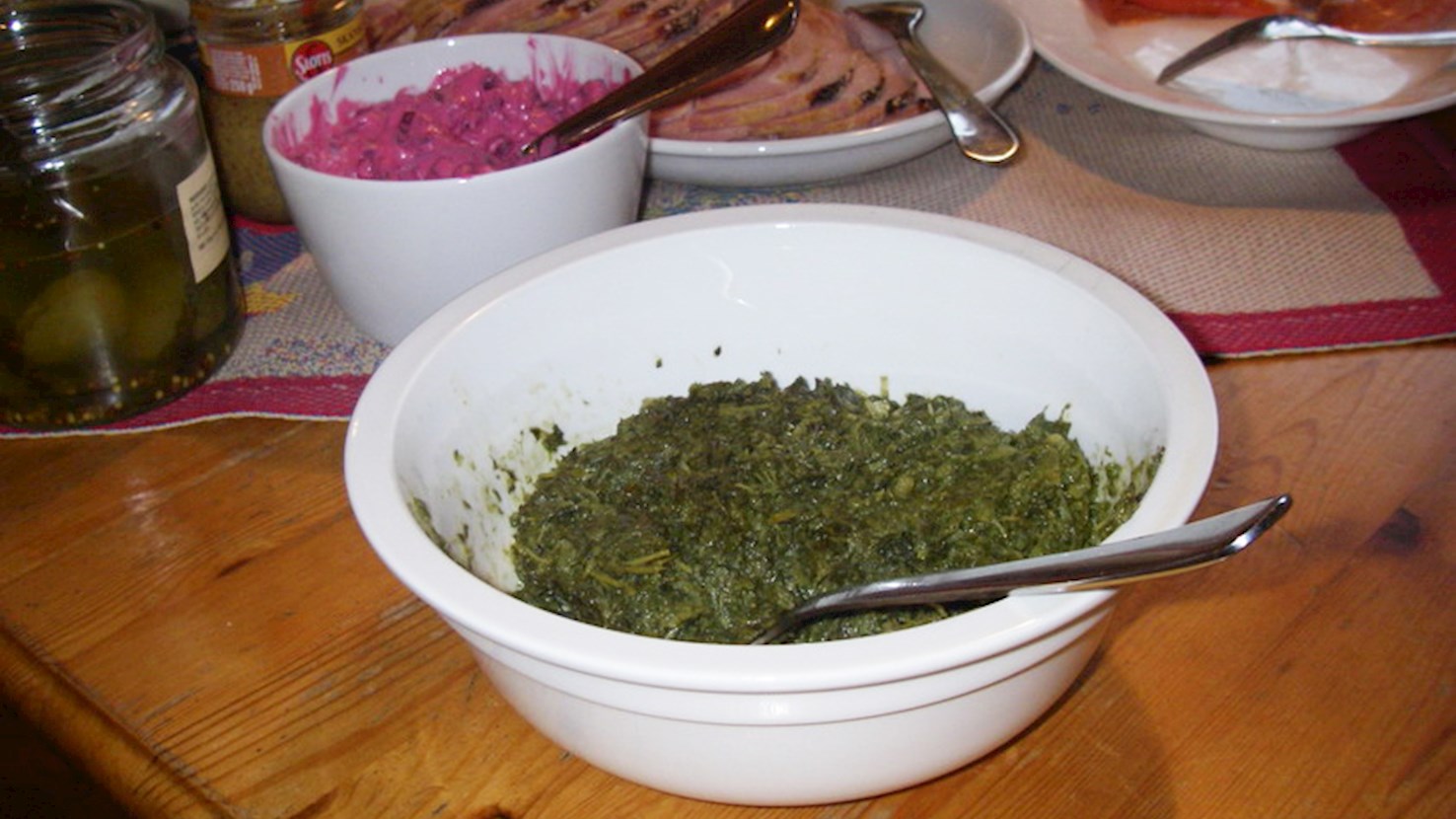
Långkål or Grønlangkål is a traditional dish originating from Halland, also closely associated to Danish cuisine. It's made with a combination of kale, stock, butter, cream, sugar, salt, and white pepper. The kale is boiled in stock until soft, chopped up, then fried in butter, lard, or pork fat. The dish is seasoned with salt, white pepper, and a bit of sugar. It's diluted with some of the stock and a bit of cream, then cooked for a short while before it's served and enjoyed. Långkål can be eaten on its own or as an accompaniment to meat dishes. It is well known as a traditional Christmas dish in the region.

08

Hindbærsnitter (Raspberry bars)

3.1 ·

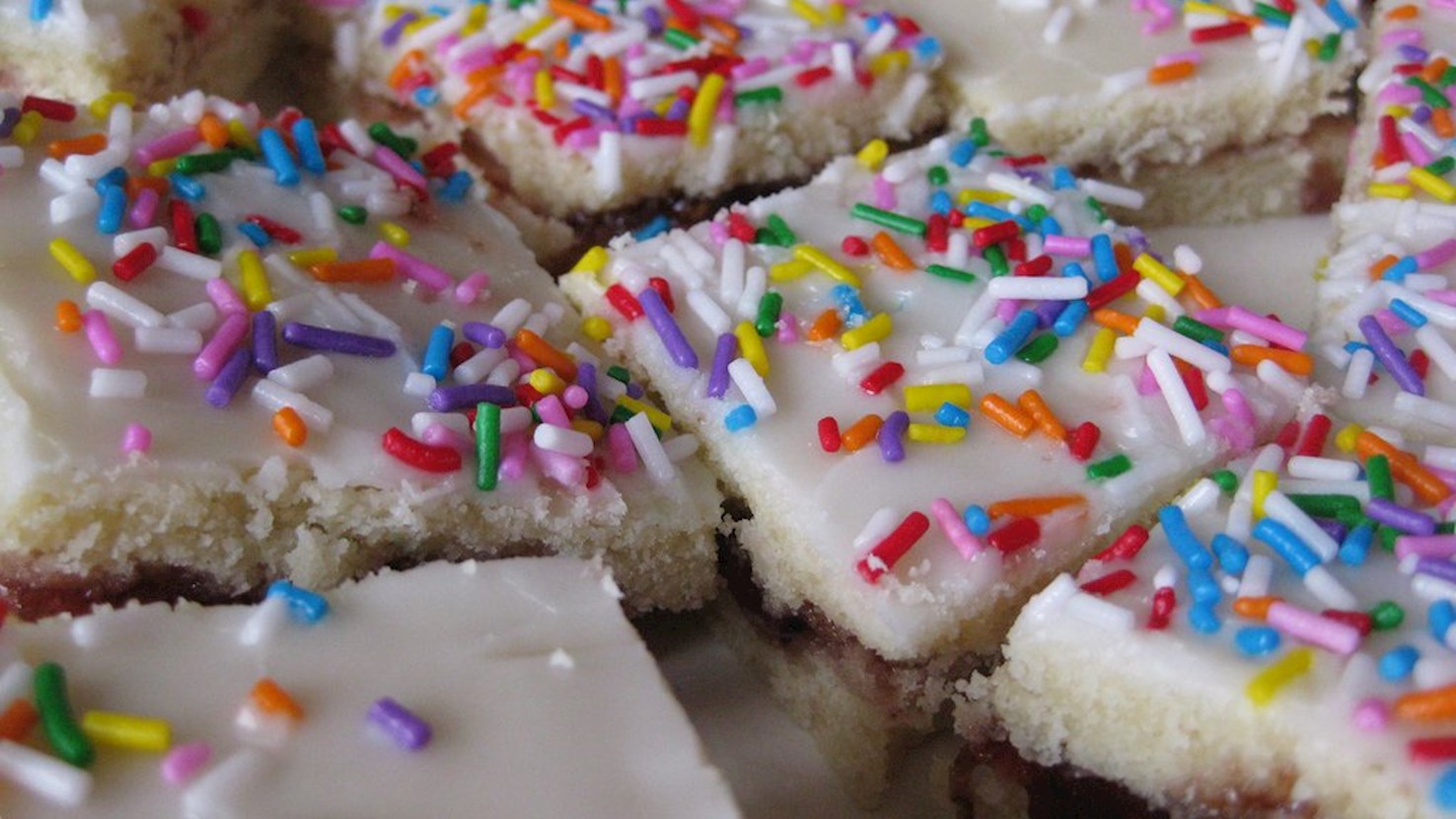
Hindbærsnitter is a traditional dessert consisting of raspberry bars. These raspberry bars can be found in almost any café or bakery in the country, and they’re usually made with a combination of flour, raspberry jam, ground almonds, sugar, vanilla, butter, eggs, and milk. The dough is made with a mixture of flour, almonds, sugar, vanilla, butter, and eggs. It’s wrapped in cling film and left to cool in the fridge for about half an hour. A bit later, the dough is rolled out, pricked with a fork, and spread with raspberry jam. Another disk of dough is placed on top, pricked, and the surface is brushed with a glaze consisting of egg yolks and milk. The dessert is sprinkled with sugar and baked until golden brown. Once cooled, it’s cut into bars and served.

09

Æbleflæsk (Danish apple pork)

3.1 ·

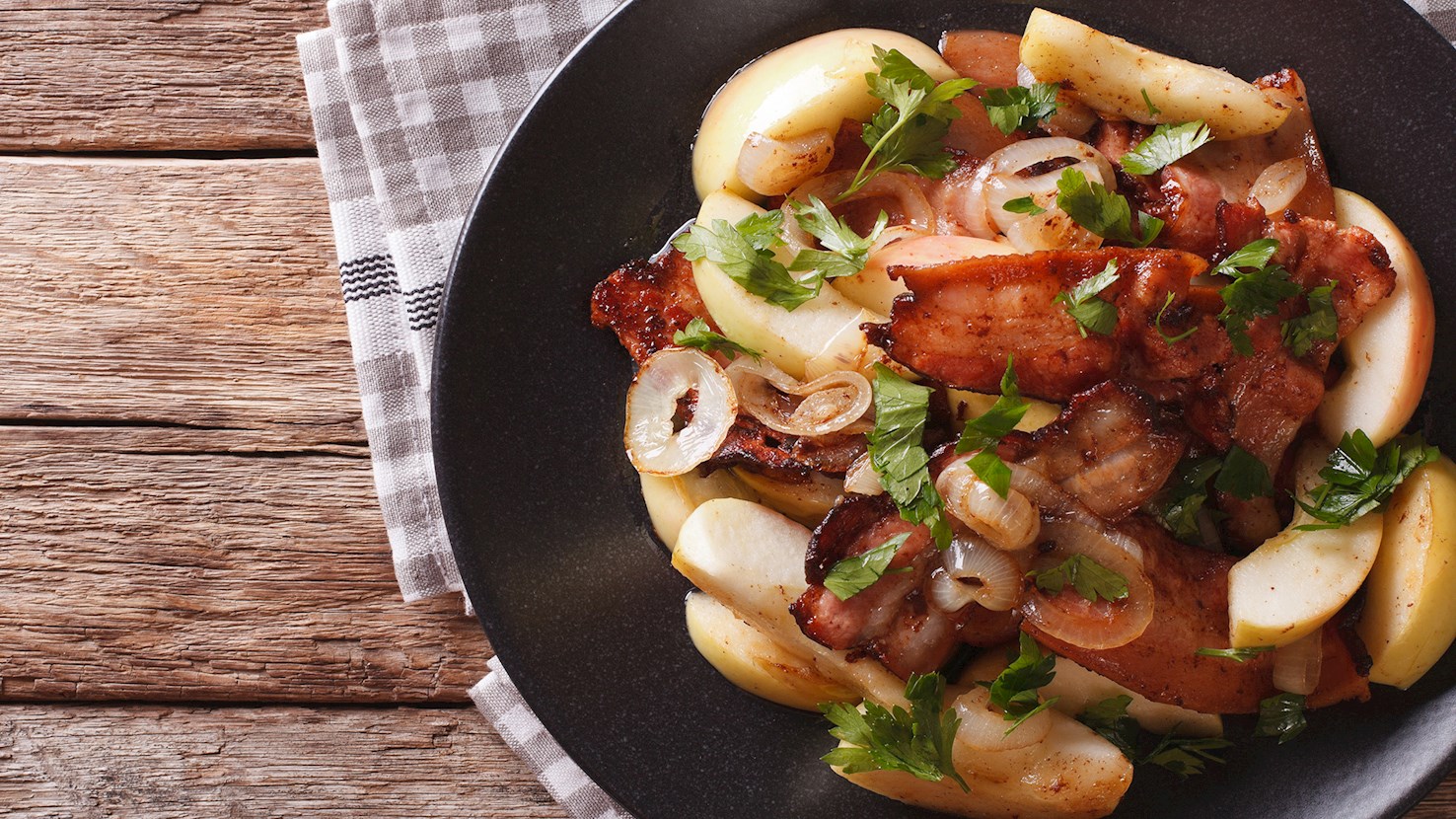
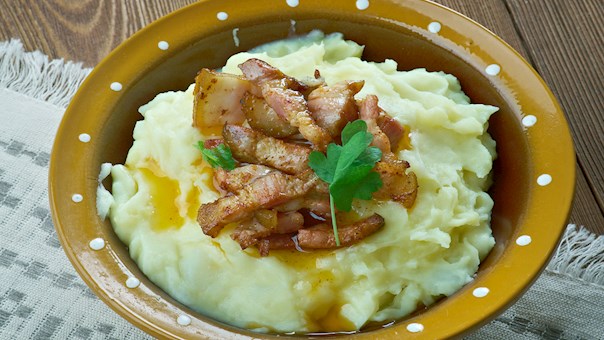
Apple pork is a Danish classic which originated as a frugal wintertime dish. It consists of fried or roasted pork belly and a flavorful combination of sautéed apples and onions. Typically served over rye bread, it appears in numerous varieties throughout the country and is traditionally associated with Christmastime. In Sweden, a similar dish is known as äppelfläsk.

10

Påskelam

3.1 ·

The tradition of eating lamb for Easter stems from the ancient Jewish tradition, which has its roots in ancient Passover observance and at the same time symbolizes sacrifice. In Denmark, lamb meat is also a traditional Easter staple. Various cuts can be employed, and meat is usually roasted and coupled with garlic and different herbs. Lamb dishes are mainly enjoyed as a part of the festive Easter lunch, while the leftovers are later employed in succulent Danish sandwiches.

About this Ranking

TasteAtlas food rankings are based on the ratings of the TasteAtlas audience, with a series of mechanisms that recognize real users and that ignore bot, nationalist or local patriotic ratings, and give additional value to the ratings of users that the system recognizes as knowledgeable. For the “58 Worst Rated Danish Foods” list until October 17, 2026, 4,143 ratings were recorded, of which 3,666 were recognized by the system as legitimate.

TasteAtlas Rankings should not be seen as the final global conclusion about food. Their purpose is to promote excellent local foods, instill pride in traditional dishes, and arouse curiosity about dishes you haven’t tried.

What People Say

Similar Lists